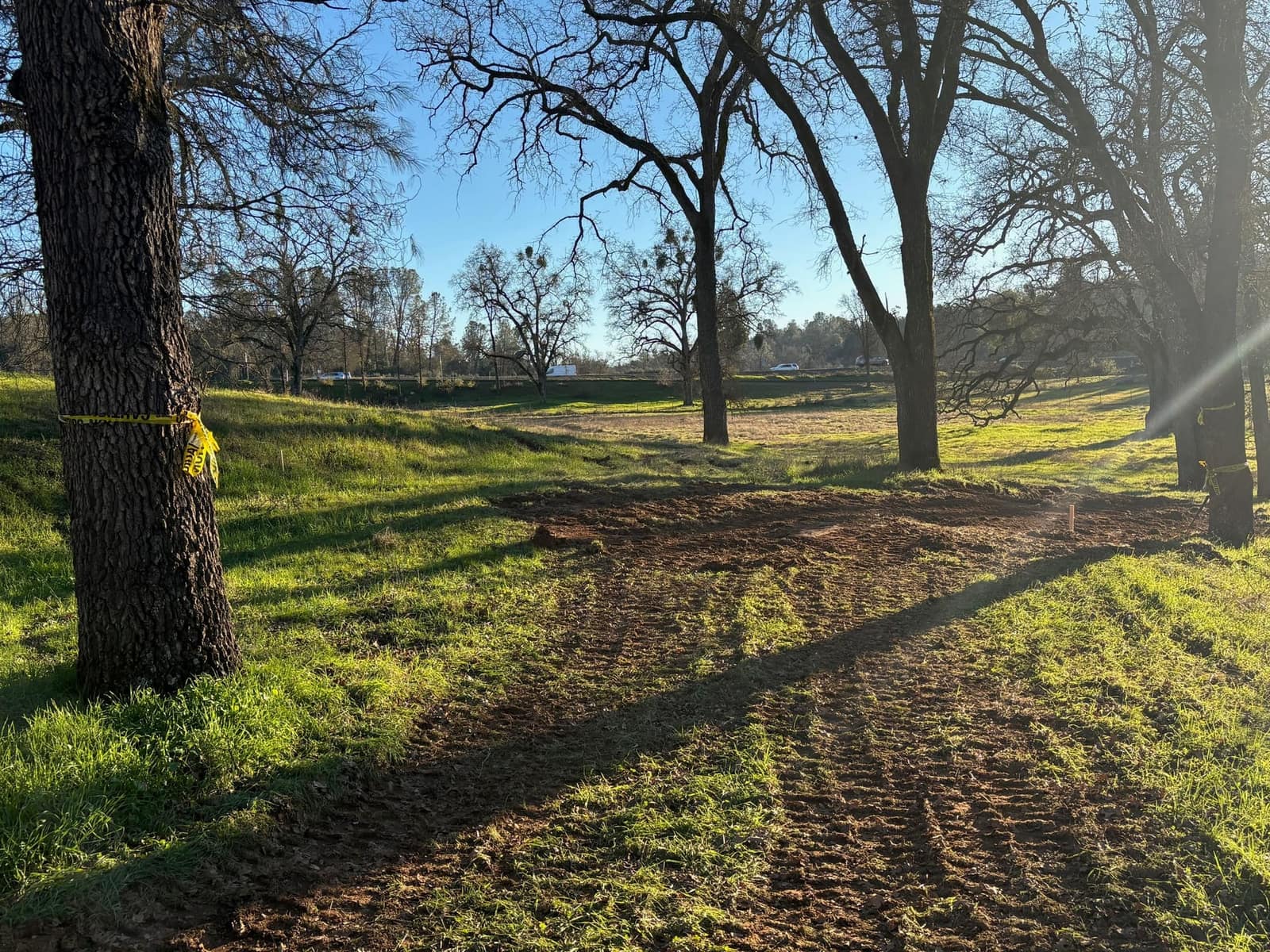
El Dorado Hills is built into native oak woodland, which is part of what makes it beautiful and part of what makes tree decisions here complicated. I am Christopher Hodge, an ISA Board Certified Master Arborist. As an El Dorado Hills arborist I provide homeowners, HOAs, and builders with independent arborist reports, tree risk assessments, and oak permitting help. No removal crews, no stake in whether a tree comes down, just an honest written assessment you can act on.
A certified arborist for El Dorado Hills
If you are searching for a certified arborist in El Dorado Hills, one structural fact is worth knowing first: El Dorado Hills is unincorporated, so there is no city arborist and no city tree ordinance here. Oak questions run through El Dorado County's Oak Resources Conservation Ordinance, reviewed by the county's planners in Placerville, and many communities add their own HOA architectural review on top. I hold the ISA's top credential, Board Certified Master Arborist, along with the Tree Risk Assessment Qualification, and preparing reports that clear that county and HOA review is a core part of my practice, from a base fifteen minutes up the hill.
Oak permitting and HOA rules in El Dorado Hills
Many El Dorado Hills projects, whether a new build, a pool, an addition, or a remodel in communities like Serrano and Blackstone, sit close to protected native oaks and trigger El Dorado County's Oak Resources Conservation Ordinance. On top of that, most El Dorado Hills neighborhoods have HOA tree rules of their own. I help you sort out which apply, and I prepare the arborist report or Oak Technical Report the county needs.
Where the oak woodland meets the valley
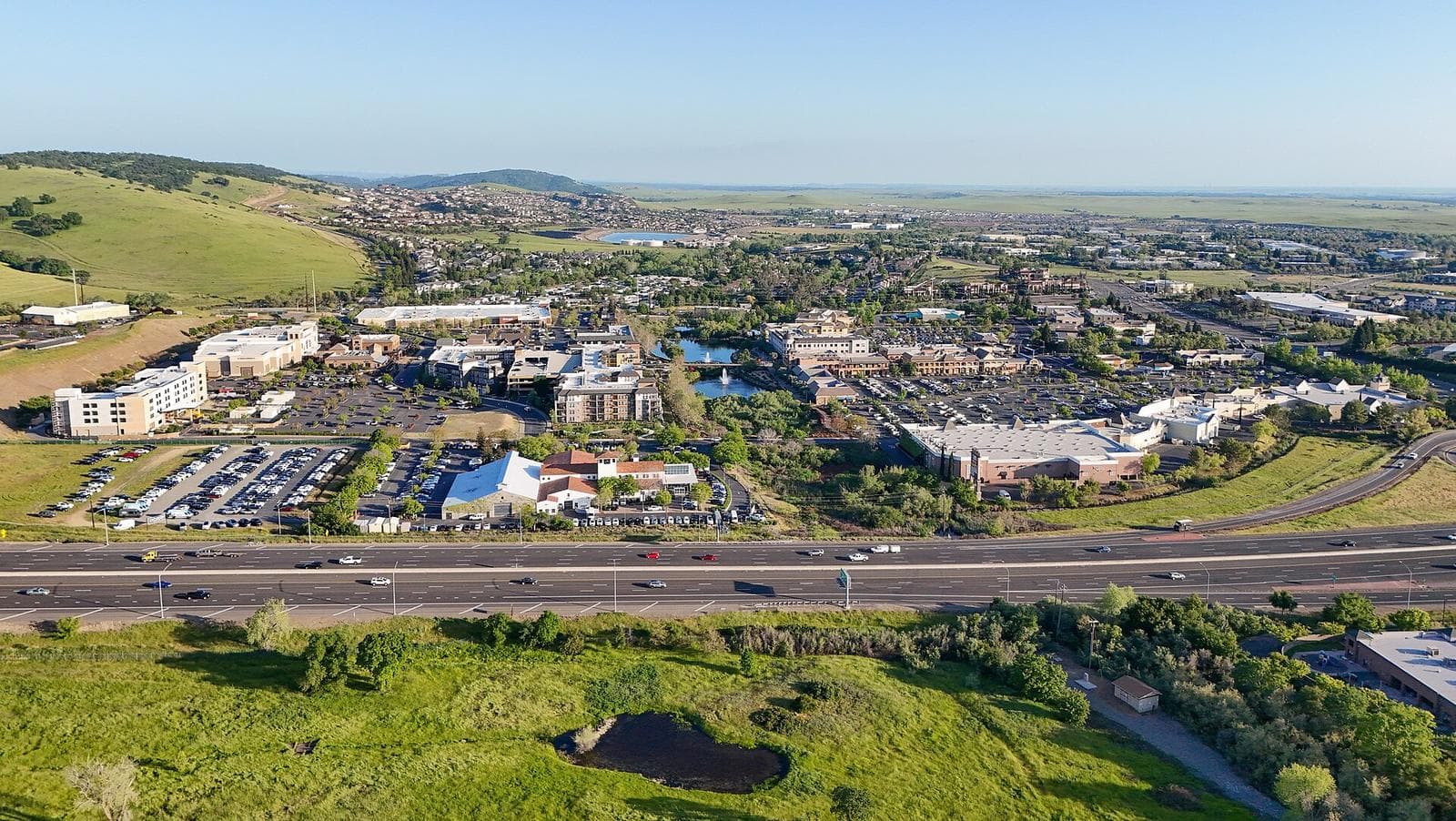
El Dorado Hills sits on the first rise of the Sierra foothills, where the open grassland of the Sacramento Valley gives way to oak woodland. The University of California describes blue oak woodland as a nearly continuous band along the foothills that border the valley, and El Dorado Hills is where that band begins in this county. You can see it from any ridge here. To the west the oaks thin into grass and the ground flattens toward Sacramento. To the east the hills keep climbing and the trees keep coming.
That position explains which oak grows where on a lot. Blue oak holds the ridges and slopes, on soil that is shallow, rocky and well drained, in dry ground where the water table is out of a tree's reach. Valley oak takes the swales and creek bottoms where the soil is deep, and it grows far larger there. Interior live oak and foothill pine fill in between. The two deciduous oaks want different things, so a blue oak on a graded hilltop pad and a valley oak beside a seasonal creek should not be watered, built around, or judged the same way. Telling them apart is the first thing I do on a site.
Folsom Lake shapes the north side of the community. The lake was created in 1955 when Folsom Dam closed the American River, and the river corridor went under water. What meets the lake now at Browns Ravine and New York Creek is upland woodland, the blue oak, interior live oak and foothill pine that California State Parks lists for the recreation area, running down to a waterline that normally moves from 460 feet of elevation in early spring to under 400 feet by summer. Valley oak tolerates flooding. Blue oak is a tree of dry hills. So on lots near the lake, and in the ravines that drain to it, I look closely at how wet the root zone stays and for how long. The recreation area also keeps a belt of this woodland in public hands along the shore.
One more thing about this woodland matters to anyone who owns a piece of it. University of California researchers note that most blue oak stands are groups of medium to large trees with few or no young oaks coming up beneath them. Blue oak is slow growing and long lived, and in most yards nothing is in line to replace the mature tree. That is the best reason I know to get the diagnosis right before an oak comes out.
Why El Dorado Hills oaks struggle, and what to watch for
The blue oaks and valley oaks that define El Dorado Hills evolved with dry summers, and the most common mistake is the most well meaning one: lawn and irrigation over the root zone. Summer water against the trunk and roots of a native oak invites root and crown rot, including Armillaria root rot, and can slowly kill the tree. Construction grade changes, soil compaction, and severed roots do similar damage. On top of that, our area now faces emerging threats, including the Mediterranean oak borer, which has now been detected in El Dorado County, and Biscogniauxia canker on drought stressed oaks. Early diagnosis is what saves these trees.
Building and living on an oak woodland lot
Most El Dorado Hills tree problems are bought, not caught: they arrive with a construction project or a landscape plan. Blue and valley oaks carry their absorbing roots in the top foot or two of soil, reaching well past the branch tips, which means a pool dig, a trench, or repeated equipment traffic can take a third of a root system without touching the tree. The cruelty of it is the timing: the oak looks fine that summer and declines two to five years later, when the connection to the project has been forgotten. If you are planning work on an oak lot, the cheapest moment for an assessment is before the design is fixed, when moving a pad or a trench line ten feet is still free.
For established oaks, the killer is kindness: lawn and drip irrigation under a canopy that evolved for bone dry summers. A native oak watered all summer is a candidate for root disease, and by the time the crown thins the problem is years old. If your oak is declining, the answer is usually in the root zone, and diagnosing that properly, sometimes with the root collar excavated by air, is the heart of what I do.
Services for El Dorado Hills
- Arborist reports for county permits and HOA approvals
- Tree risk assessments for oaks near homes, pools, and pathways
- Oak Technical Reports for construction near native oaks
- Diagnosis of oak disease, decline, and fungal problems
- Plant health care guidance for preserving mature native oaks
- Expert witness for tree disputes
Frequently Asked Questions
Are you a certified arborist in El Dorado Hills?
Yes, and at the highest level the ISA awards. I am a Board Certified Master Arborist, credential WE-14385B, verifiable in the ISA directory, and TRAQ qualified for risk work. Placerville, where I am based, is fifteen minutes up Highway 50, so El Dorado Hills is not an outer edge of my territory but the middle of it.
How much does an arborist cost in El Dorado Hills?
From $500 for a site assessment with the written report, and one report serves both gates, county permitting and HOA architectural review. If you want my eyes on a tree without the written product, a site visit is $250 for up to an hour. Either is a small fraction of the $1,500 to $4,000 that removing a medium tree near a house typically costs, and it buys you an answer you can rely on whichever way it points.
Do I need an arborist report to build near oaks in El Dorado Hills?
Usually, yes. If your project could affect a protected native oak, El Dorado County generally requires an arborist report or an Oak Technical Report before issuing the permit, and your HOA may want documentation as well. I prepare the report and tell you up front which approvals apply to your parcel.
Can I plant a lawn or water under my native oak?
It is one of the most common ways native oaks are accidentally killed in El Dorado Hills. Blue and valley oaks are adapted to dry summers, and frequent summer irrigation near the trunk encourages oak root fungus and crown rot. Keep lawn, heavy irrigation, and grade changes out of the root zone, and water established native oaks sparingly if at all.
Who do I call about a dangerous oak over my house?
An independent consulting arborist, not a removal company that profits from taking it down. I provide a written tree risk assessment using the ISA TRAQ framework that tells you the real risk and the options, which may be pruning, cabling, monitoring, or removal. Call or text (530) 391-6100.
El Dorado County oak resources
- El Dorado County Zoning Ordinance Chapter 130.39, Oak Resources ConservationThe county oak ordinance that governs El Dorado Hills as unincorporated county land.
- El Dorado County Planning and BuildingThe county department that reviews oak reports for El Dorado Hills projects.
- UC Oaks: Summer Irrigation of Established Oak TreesUniversity of California guidance on why summer water harms established native oaks.
- UC Oaks: Blue Oak WoodlandUniversity of California description of the blue oak band along the Sierra foothills, its soils, and its lack of young trees.
- UC Oaks: Valley Oak WoodlandWhere valley oak grows, on deep soils along drainages, and its tolerance of flooding.
- California State Parks: Folsom Lake State Recreation AreaThe park brochure gives the lake's 1955 origin, its seasonal change in level, and the woodland along its shore.