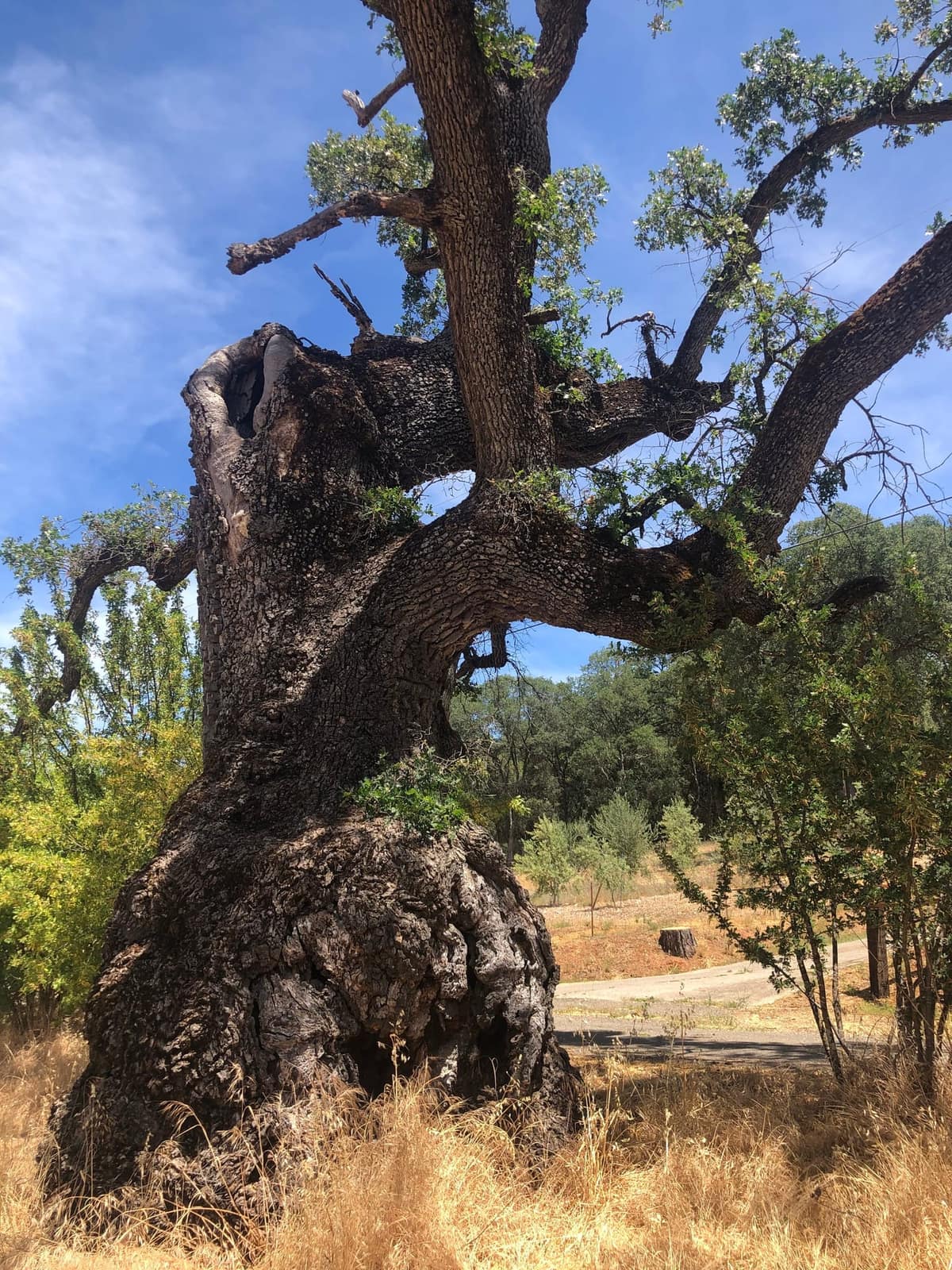
The Oak Resources Management Plan, or ORMP, is El Dorado County's plan for conserving its native oaks. Adopted in 2017 and administered alongside the Oak Resources Conservation Ordinance, it sets the rules for what happens to protected oaks when a property is developed. One point confuses almost everyone: the ORMP is the county's plan, not the report you submit. The report a qualified arborist prepares for your specific project is the Oak Technical Report. If you are pulling a permit near a heritage valley oak or a blue oak woodland, that report is usually what keeps your project moving.
Why El Dorado County protects oaks
The blue oaks and valley oaks that define El Dorado County are slow growing, long lived, and nearly impossible to replace once removed. They anchor the woodland ecosystem and shape the character and value of foothill property. The county protects them through its Oak Resources Conservation Ordinance, which is why oak impacts get a closer look than other trees during permitting.
The plan versus the report
It helps to keep two things straight. The Oak Resources Management Plan is the county program: the policies, the protected oak definitions, and the mitigation rules. The Oak Technical Report is the site specific document you submit, prepared by a qualified professional, that inventories your oaks, measures the project's impact, and shows how it meets the plan. The county writes the plan. Your arborist writes the report.
When you need an Oak Technical Report
In general, you need an Oak Technical Report when a grading or building permit project could affect native oaks of six inches in diameter and larger, or multi trunk oaks totaling ten inches or more, typically on parcels at or below 4,000 feet elevation. Smaller or simpler situations may call for a basic arborist report instead, and some cases qualify for an exemption. The county Planning and Building department makes the final call, so confirm the current thresholds with them.
What goes into the report
- A tree inventory: species, trunk diameter, condition, and location of each protected oak.
- An impact assessment: how grading, construction, and the finished project will affect each tree and its root zone.
- Avoidance and minimization measures, such as adjusting a footprint or protecting root zones during construction.
- Mitigation for unavoidable impacts, which may include preservation, replacement planting, or an in lieu fee.
- Maps and protection specifications the county and your contractor can follow.
Do not cut before you have the permit
The costliest mistake is removing or damaging protected oaks before the permit is approved. When trees are cut ahead of permitting, the county can require restitution of up to three times the market value of the replacement trees, and up to nine times for a Heritage Tree. The report is not just a hurdle. Done right, it is the mechanism that protects the best oaks on a property during construction, when most preventable damage actually happens, and it keeps you out of a far more expensive penalty.
How I help
I prepare Oak Technical Reports to El Dorado County's standards, written the way reviewers expect so your permit is not delayed. Because I run no removal crews, my assessment is honest about which oaks can be preserved and which genuinely cannot.
Frequently Asked Questions
Is the Oak Resources Management Plan the same as the report I submit?
No, and this trips up a lot of people. The Oak Resources Management Plan is the county's plan. The report you submit for your project is the Oak Technical Report, prepared by a qualified arborist. People often call the report an ORMP, but the two are different things.
Do I need an Oak Technical Report to remove a single oak?
Not always. A single tree often calls for a basic arborist report or certification rather than a full Oak Technical Report, while broader impacts to oak woodland usually require the report. The county decides based on the project, so it is worth confirming before you assume either way.
How much does it cost?
It depends on the number of oaks, the site, and the mitigation the county requires. I give a fee estimate after a short conversation. Bear in mind that cutting protected oaks before permitting can cost about three times as much, so starting early saves money. Call or text (530) 391-6100.
Sources
- El Dorado County Oak Resources Management Plan and Oak Resources Conservation Ordinance, administered by the El Dorado County Planning and Building Department.